
Understanding the psychological triggers that drive gambling behavior
The allure of unpredictability
One of the primary psychological triggers that drive gambling behavior is the allure of unpredictability. Gamblers are often drawn to the thrill that comes from not knowing the outcome of their bets. This uncertainty can create a dopamine response in the brain, much like the rush experienced during other high-risk activities. As a result, many players return to gambling, seeking that adrenaline rush and the excitement that accompanies each spin of the wheel or shuffle of the cards. For more information about safe practices in gaming, you can visit https://humanrhythms.co.nz/.

The unpredictability of gambling can also tie into a concept known as variable reward schedules. In simple terms, this means that players are rewarded at irregular intervals, which can keep them engaged for longer periods. For instance, a player might win a small amount on their third bet after losing several times. This kind of intermittent reinforcement can make it difficult for individuals to stop gambling, as they anticipate future wins based on past experiences.
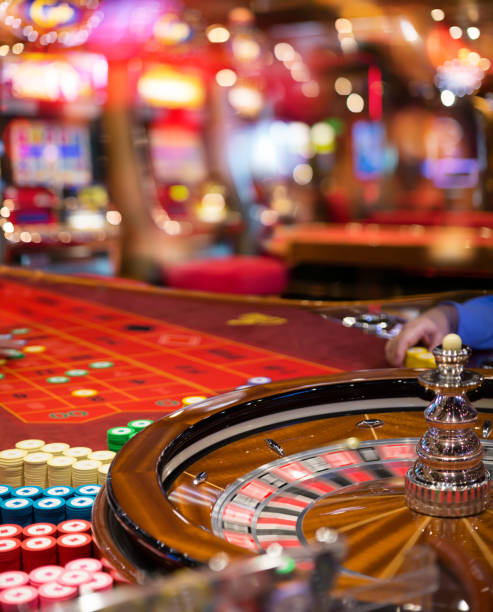
Moreover, the unpredictability of gambling extends beyond the games themselves. The environment in casinos—flashing lights, upbeat music, and the buzz of excitement—creates an atmosphere where the unpredictable nature of games feels even more enticing. This sensory overload can further reinforce the desire to engage in gambling behavior, making it a multi-faceted psychological trigger.
The psychology of loss and the «gambler’s fallacy»
Another significant psychological trigger is the concept of loss aversion, which suggests that people tend to prefer avoiding losses over acquiring equivalent gains. In gambling, players often chase their losses, convincing themselves that if they continue to play, they will eventually win back what they lost. This behavior is reinforced by the gambler’s fallacy, the belief that past losses create a greater likelihood of future wins. For example, if a player has lost several times in a row, they may believe that their next bet is “due” for a win.
The gambler’s fallacy can also lead to irrational decision-making. Players might double down on bets after a series of losses, believing that the odds must eventually favor them. This cognitive bias can create a cycle where players become trapped in the mindset that they are just one win away from turning their luck around, often leading to significant financial losses and emotional distress.
Understanding these psychological triggers is essential for promoting responsible gambling. By recognizing that the urge to chase losses stems from a flawed understanding of probability and reward, individuals can be encouraged to develop healthier attitudes towards gambling. This might include setting limits on playtime and money spent, as well as seeking support when gambling feels overwhelming.
The role of social influence
Social influence plays a crucial role in gambling behavior. Many individuals are introduced to gambling through friends or family, creating a sense of community around the activity. This social aspect can enhance the enjoyment of gambling, as players often share their experiences and excitement with others. However, it can also lead to peer pressure, where individuals feel compelled to gamble to fit in or maintain social bonds.
The concept of social proof is also relevant here; people are more likely to engage in a behavior if they see others doing it. This is particularly pronounced in environments like casinos, where the sounds of excitement and visible winners can prompt onlookers to join in. The sense of belonging can amplify the experience, making it not just a solitary activity but a shared social event, thereby intensifying the psychological triggers behind gambling.
Moreover, social media has changed the landscape of gambling by providing platforms where experiences can be shared instantly. Players often showcase their wins, enticing others to participate. This can create unrealistic expectations about gambling outcomes and encourage more frequent gambling behaviors. Understanding the impact of social influence is crucial for both players and regulators, emphasizing the need for responsible gaming initiatives to promote healthier gambling environments.
The impact of marketing and promotions
Marketing strategies and promotions used by casinos can significantly influence gambling behavior. Advertisements often focus on the excitement and potential for big wins, creating a perception that gambling is a glamorous and carefree activity. This portrayal can desensitize individuals to the risks associated with gambling, leading them to underestimate potential losses and overestimate their chances of winning.
Casinos also employ various promotional techniques, such as loyalty programs and bonuses, designed to keep players engaged. These incentives can create a sense of urgency and exclusivity, prompting individuals to gamble more frequently. For example, a limited-time bonus may pressure players to act quickly, resulting in impulsive decisions. These promotional tactics exploit psychological triggers related to reward anticipation and fear of missing out, making it essential for consumers to remain aware of their gambling habits.
Understanding the impact of marketing on gambling behavior can empower players to make informed choices. By critically assessing promotional materials and being aware of the tactics used to attract players, individuals can approach gambling more responsibly. This includes recognizing that the allure of bonuses and promotions can cloud judgment, reinforcing the importance of maintaining control over one’s gambling activities.
Exploring online gambling platforms
Online gambling platforms have added a new dimension to the psychological triggers influencing gambling behavior. With the ease of access and convenience they offer, individuals may find themselves gambling more frequently and for longer periods. The anonymity of online gambling can also lead to a reduced sense of accountability, which can exacerbate problematic behaviors.
Furthermore, online platforms often implement features designed to enhance user engagement. For example, the use of gamification elements—such as leveling up, earning rewards, and competing with others—can heighten the gaming experience, making it even more appealing. These features can inadvertently encourage excessive play, as players strive to achieve specific goals or milestones.
The importance of understanding these triggers in the context of online gambling cannot be overstated. As the digital landscape continues to evolve, it becomes crucial for players to be aware of how design choices and psychological principles can impact their gambling behavior. Practicing responsible gambling habits, such as setting limits and recognizing the potential for addiction, is vital for ensuring a healthy relationship with online gaming.
About Online Pokies NZ
Online Pokies NZ serves as a valuable resource for New Zealand players looking for a safe and enjoyable gambling experience. The site offers comprehensive reviews of various online casinos, providing insights into their gaming options, payment methods, and promotions. By focusing on secure and engaging platforms, Online Pokies NZ aims to help players make informed decisions about their gambling activities.
Additionally, the site emphasizes responsible gambling tips, encouraging players to remain aware of their behaviors and set appropriate limits. With a mission to promote a safe gambling environment, Online Pokies NZ is dedicated to guiding players towards a fulfilling and responsible gaming experience. Through education and awareness, the site plays a crucial role in fostering healthier attitudes toward gambling among New Zealand players.