
The evolution of casinos tracing the history from ancient times to modern gaming
Origins of Gambling in Ancient Civilizations
The history of casinos dates back to ancient civilizations where gambling was an integral part of social life. Archaeological findings suggest that the earliest evidence of gambling can be traced to Mesopotamia around 3000 BC. Here, people used rudimentary dice made from knucklebones of animals, which laid the foundation for modern gaming systems. The Sumerians played games involving luck and chance, and these early forms of gambling were often linked with religious and cultural practices. Today, you can explore how this legacy continues at https://official-pinco.ca/.
Similarly, ancient Chinese civilizations are credited with creating the first gambling games, including a lottery system that dates back to around 200 BC. These games became popular across various social strata and were often organized by local governments. The intertwining of state authority and gambling helped establish a cultural acceptance of gaming, making it an integral part of societal norms. The Chinese also developed dominoes as a gaming mechanism, further expanding the notion of gambling.
In ancient Rome, gambling found a prominent place in society. Romans played various games of chance, including betting on gladiatorial contests and dice games. The popularity of gambling was so widespread that it prompted legal regulations. The Edict of Augustus, for example, placed restrictions on gambling to prevent addiction and financial ruin among citizens. These early instances reflect how gambling transcended mere entertainment, becoming an essential part of ancient cultures.
Development of Gaming Houses in the Middle Ages
As societies evolved, so did the concept of gambling establishments. During the Middle Ages, gaming houses began to emerge in Europe, primarily as social gathering spots where people could partake in various gambling activities. These establishments were often unofficial, run by individuals rather than governments, and played a significant role in community interactions. The term «casino» itself is derived from the Italian word ‘casa,’ meaning house, reflecting the informal nature of these early venues.
The Renaissance period saw the formalization of gambling practices. It was during this time that various card games gained popularity, leading to the establishment of licensed gaming houses. Many of these venues were located in Italy, and they attracted a wealthy clientele. The Venetian Casino, one of the most famous gaming houses, exemplified this trend and showcased opulence, drawing attention to the burgeoning gambling culture across Europe.
By the late 17th century, casinos began to adopt regulations aimed at maintaining fairness and integrity in gaming. The introduction of banking games, where players wagered against the house, marked a critical evolution in casino gaming. This shift signified the transition from informal gambling to organized gaming, laying the groundwork for modern casino practices that prioritize player experience and regulatory compliance.
The Rise of Modern Casinos in the 19th Century
The 19th century marked a significant turning point for casinos as they began to proliferate across Europe and North America. The establishment of the Monte Carlo Casino in 1863 in Monaco exemplified the luxurious appeal of casinos during this era. This iconic venue became a symbol of sophistication and glamour, attracting aristocrats and wealthy tourists. The casino’s elaborate architecture and diverse gaming options set new standards for what a casino experience could be.
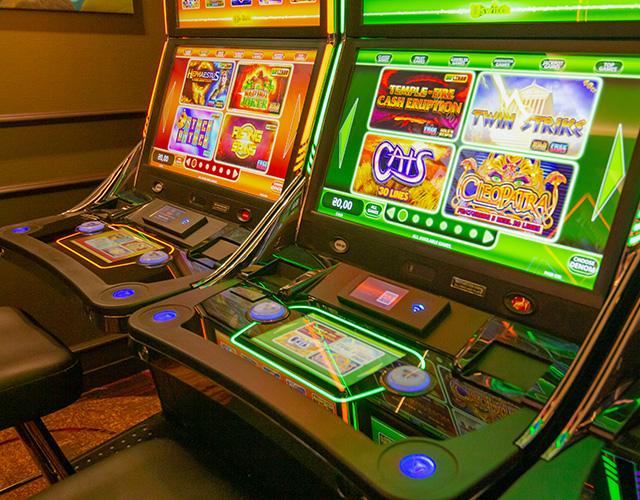
As the Industrial Revolution progressed, social mobility increased, allowing a broader demographic to engage in gambling activities. The introduction of slot machines in the late 1800s revolutionized the gaming landscape. These one-armed bandits quickly became popular due to their simplicity and the thrill of chance. The emergence of these machines marked the beginning of a new era, where players could enjoy gaming without the need for skills or strategies, appealing to a mass audience.
The U.S. saw a similar trend with the establishment of Las Vegas as a gambling hub in the 20th century. The legalization of gambling in Nevada in 1931 paved the way for the development of massive casino resorts, which combined gaming with entertainment. This shift not only transformed Las Vegas into the gambling capital of the world but also set the stage for the modern casino experience, where lavish shows and attractions accompany gaming.
Technological Advancements and Online Gaming
The late 20th century ushered in a technological revolution that would profoundly impact the casino industry. The advent of the internet facilitated the rise of online casinos, allowing players to enjoy their favorite games from the comfort of their homes. This shift democratized gambling, making it accessible to millions across the globe. Online platforms introduced a range of games, including live dealer options, enhancing the immersive experience.
With the rise of mobile technology, gaming has become even more accessible. Players can now engage in gambling activities on smartphones and tablets, a significant shift from traditional land-based casinos. This mobile gaming trend has led to an explosion of online casino options, where players can enjoy thousands of games, including slots and table games, at their fingertips. The convenience and flexibility offered by mobile casinos have attracted a younger audience, significantly changing the demographic landscape of players.
Regulatory frameworks surrounding online gambling have also evolved, with countries implementing laws to ensure player safety and responsible gaming. Many online casinos now provide tools to help players manage their gaming experience effectively. These advancements reflect a growing commitment to creating a safe and enjoyable environment for players, bridging the gap between traditional and modern gaming.

Pinco Casino: A Modern Hub for Gaming Enthusiasts
Pinco Casino exemplifies the modern evolution of gaming, catering to the diverse needs of today’s players. This premier online casino in Canada offers over 5,000 games, including a wide variety of slots and live dealer options. Pinco Casino Online embraces technological advancements to deliver an immersive gaming experience that rivals traditional casinos, demonstrating how the industry has adapted to the digital age.
New users at Pinco Casino can take advantage of generous welcome bonuses, including a substantial match and free spins. These promotions create an engaging entry point for players and exemplify the competitive nature of the online gaming market. Pinco emphasizes player safety, offering tools that promote responsible gaming, which is increasingly crucial in today’s gambling landscape.
As the gaming industry continues to evolve, platforms like Pinco are at the forefront of innovation, ensuring that players have access to thrilling gaming experiences. Whether through a desktop or mobile device, users can enjoy a wide array of games and promotions, reflecting the ongoing transformation of casinos from ancient times to the digital world we know today.